


Bali Travel Guide for First-Time Visitors
Planning your first trip to Bali? The island offers an incredible mix of culture, nature, beaches, temples, and unforgettable landscapes. However, Bali is unique in many ways, and understanding a few essential travel tips will help you enjoy a smoother and more meaningful experience.
This Bali travel guide for first-time visitors helps you prepare your trip with essential tips and practical advice.
Here is a practical guide to help you prepare for your journey.
Best Time to Visit Bali
Bali has a tropical climate with two main seasons:
Dry season (April to October)
This is generally considered the best time to visit. The weather is sunny, humidity is lower, and outdoor activities such as sightseeing, hiking, and beach visits are more enjoyable.
Rainy season (November to March)
You can still travel during this time, but expect occasional heavy showers, especially in the afternoon. The island is usually less crowded, and landscapes are beautifully green.
Tip: Even during the dry season, occasional rain can occur. Always carry light rain protection.
What to Wear When Visiting Temples
Bali is deeply rooted in Hindu traditions, and temples are sacred places.
When visiting temples, you should:
-
Wear clothing that covers shoulders
-
Wear long pants or a long skirt
-
Use a sarong and sash (often provided at temple entrances)
-
Avoid revealing outfits
Respectful attire is not only appreciated but required at many religious sites.
Understanding Bali Traffic
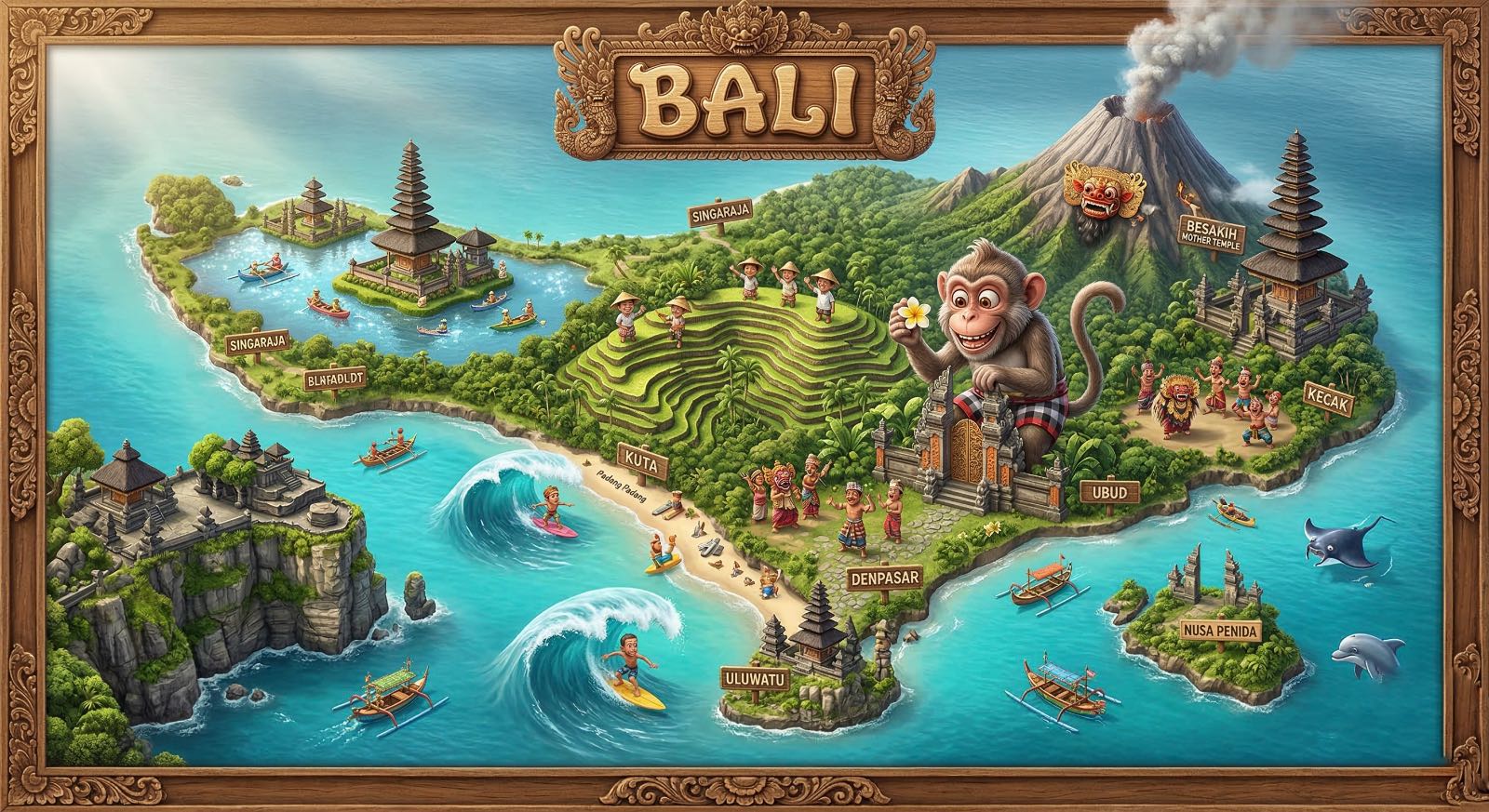
Traffic in Bali can be unpredictable, especially in popular areas such as Ubud, Seminyak, and Canggu.
Roads are often narrow, and travel time between destinations may be longer than expected. What appears close on a map can take more time due to congestion.
For first-time visitors, navigating the island independently can be challenging. Planning routes carefully and allowing flexibility in your schedule will make your days more enjoyable.
Cultural Etiquette and Local Customs
Bali’s culture is one of its most beautiful aspects. Understanding basic etiquette will enhance your experience.
Here are a few important tips:
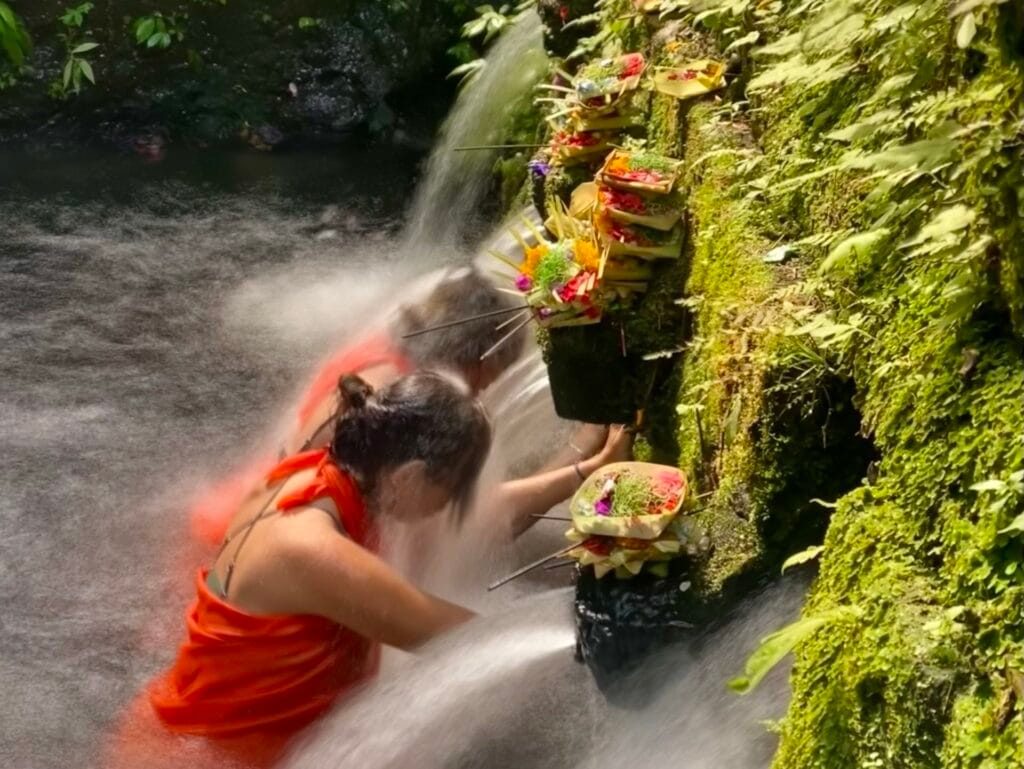
- Do not step on small offerings placed on the ground (known as canang sari).
- Avoid pointing your feet at people or sacred objects.
- Use your right hand when giving or receiving something.
- Always ask permission before taking photos of ceremonies or local people.
Balinese people are warm and welcoming, and showing respect for local customs goes a long way.
Currency and Payments
The local currency is Indonesian Rupiah (IDR).
Cash is widely used, especially in smaller shops and rural areas. Credit cards are accepted in hotels, larger restaurants, and tourist areas.
It’s recommended to:
- Use official money exchange counters
- Avoid exchanging money in random street kiosks
- Carry small bills for parking and small purchases
Planning Your Daily Itinerary
Bali’s highlights are spread across different regions of the island. Visiting too many places in one day can lead to long travel times and unnecessary rushing.
Instead:
- Focus on one area per day
- Combine nearby destinations
- Allow time to relax between stops
A well-paced itinerary helps you enjoy Bali rather than feeling rushed.
Health and Practical Advice
-
Stay hydrated — Bali’s climate can be hot and humid.
-
Use sunscreen regularly.
-
Drink bottled or filtered water.
-
Travel insurance is recommended.
Simple precautions help ensure a comfortable stay.
Enjoying Bali at Your Own Pace
Bali is not just about ticking attractions off a list. It is about experiencing the atmosphere, understanding traditions, and enjoying the landscapes without pressure.
Taking time to appreciate the culture and the people makes your trip more rewarding.
Final Thoughts
Your first visit to Bali can be unforgettable with a little preparation. Understanding the best time to travel, temple etiquette, traffic realities, and cultural customs will help you feel confident and comfortable.
With the right planning and flexibility, Bali offers a beautiful balance of adventure, relaxation, and cultural discovery.
Feel free to contact us to check availability and start planning your trip.

Your Experience, Our Expertise