
Top Places to Visit in Bali
Looking for Bali destination ideas? Discover temples, rice terraces, beaches and hidden gems across the island.
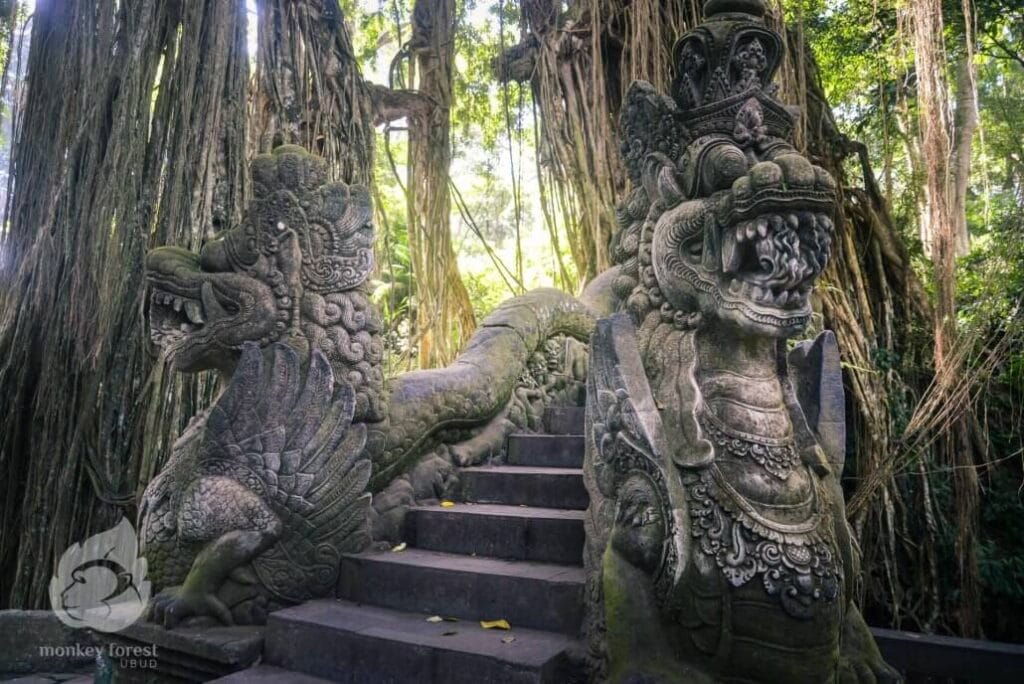
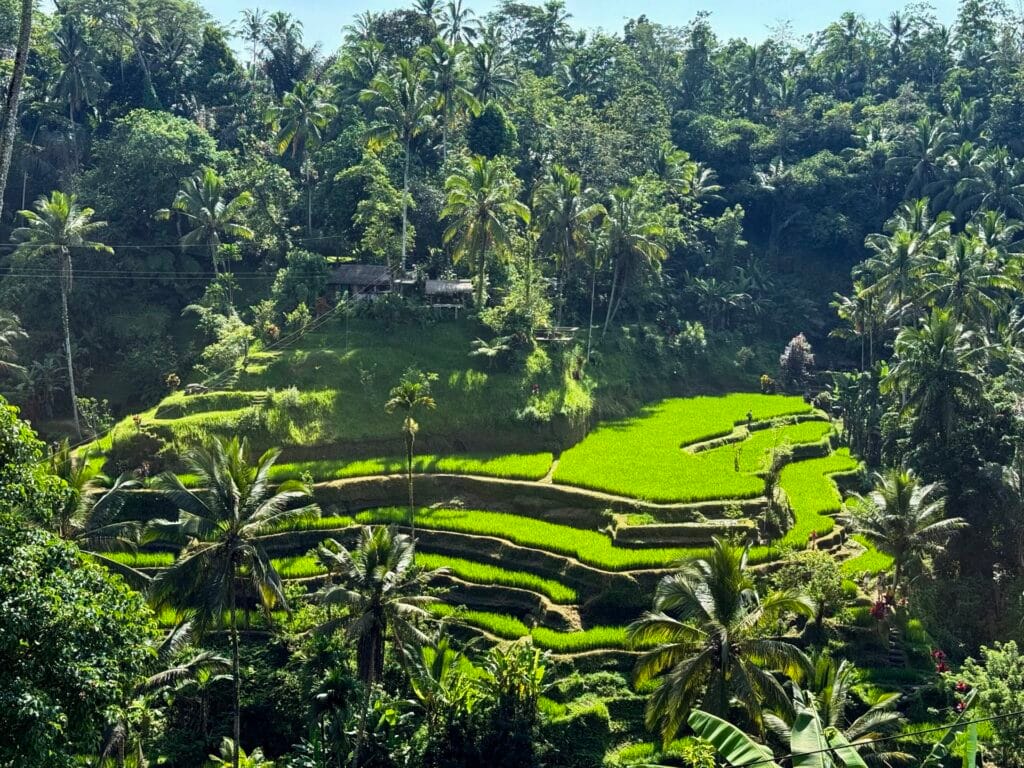
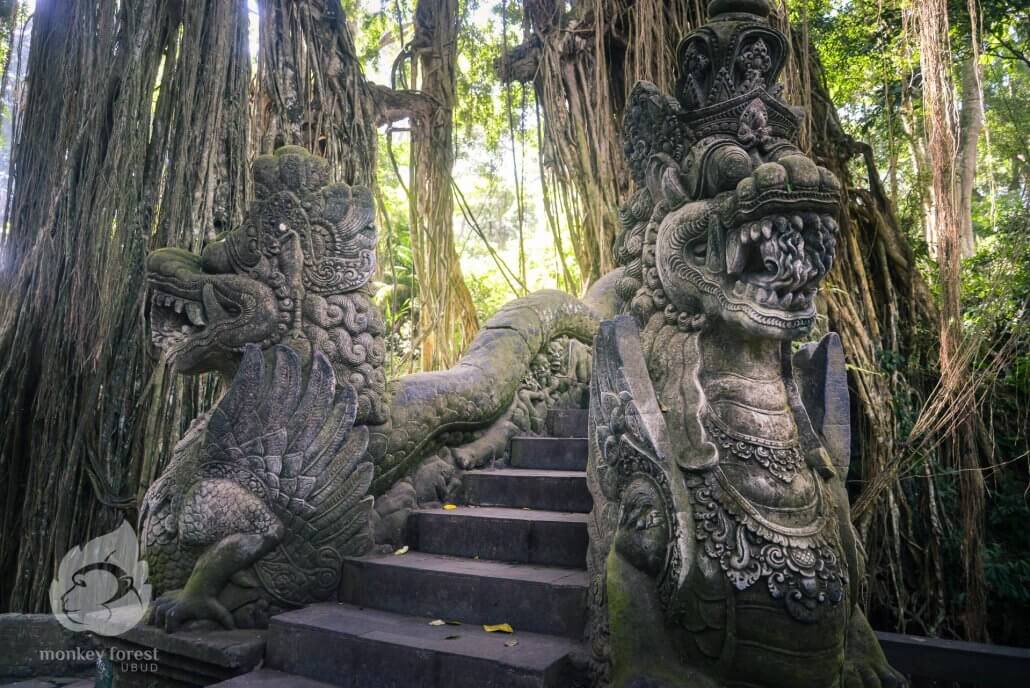
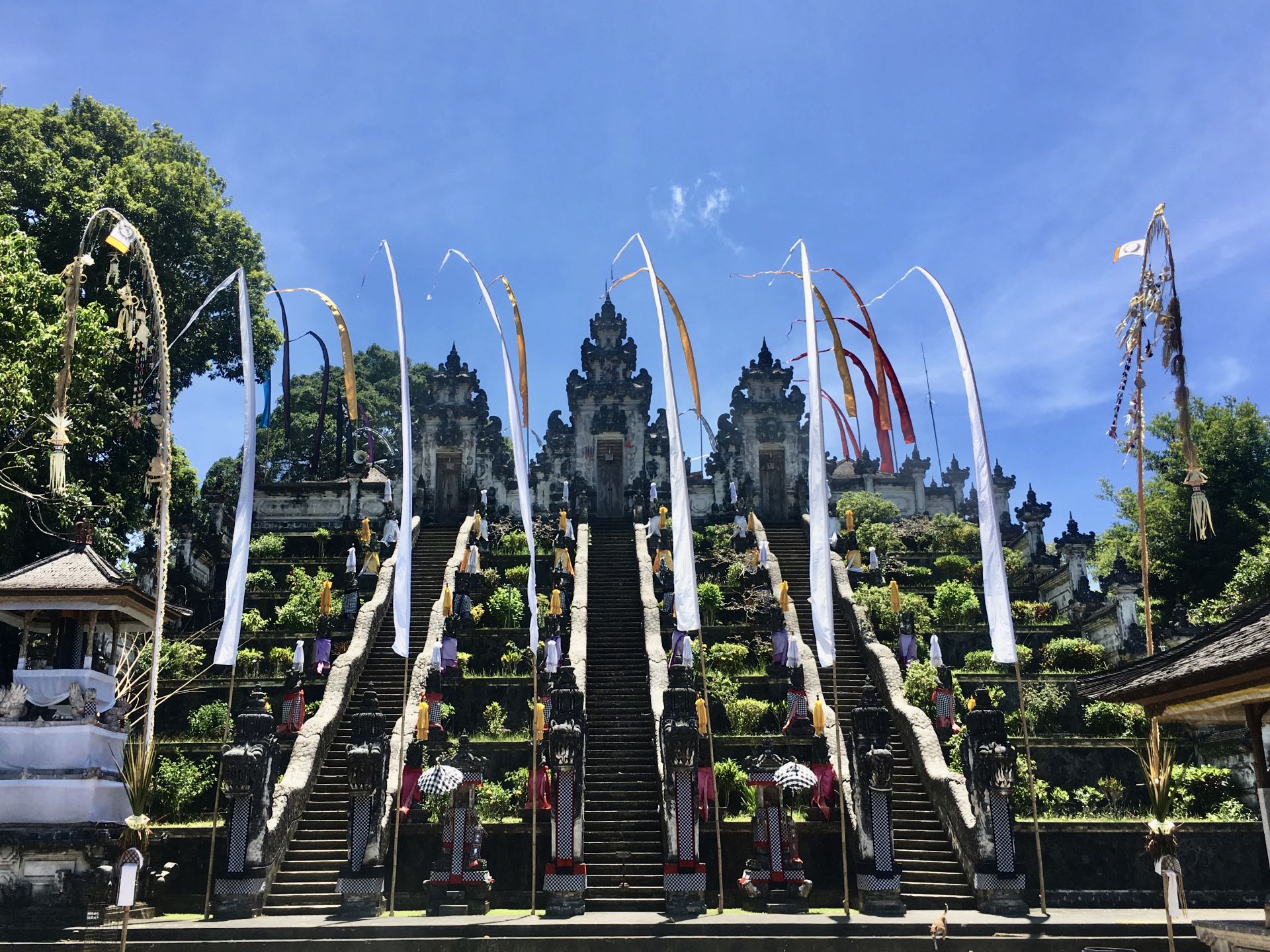
Looking for Bali destination ideas? Discover temples, rice terraces, beaches and hidden gems across the island. The Sacred Monkey Forest Sanctuary is a nature reserve and temple complex in Ubud, Bali, Indonesia. It is also known as the Ubud Monkey Forest. The Sanctuary is home to over 1260 long-tailed macaques, who are considered sacred by the local Balinese people. Discover these destinations with our private tours in Bali. Jatiluwih, in the Balinese language translated means Really Beautiful. Here, one can marvel at the vast expanses of terraced, green rice paddies stepped along an entire mountain, from its peak to where its foot meets the sea. Jatiluwih Rice Terraces in the heart of Tabanan Regency is the best example of Bali’s outstanding picturesque rice fields and represent the Subak system as Bali’s Cultural Landscape which has been inscribed a UNESCO’s World Heritage Site in June 2012. Discover these destinations with our private tours in Bali. Uluwatu Temple, perched on a dramatic 70-meter cliff, is one of Bali’s most sacred sea temples, offering breathtaking ocean views and the legendary Kecak Dance at sunset. Nearby, Labuan Sait Beach is a hidden paradise known for its pristine white sands, crystal-clear waters, and world-class surfing waves. Both destinations are rich in history, culture, and natural beauty, making them must-visit sites in Bali. Set within the highlands of the mountainous Bedugul Regency in Bali, atop a plateau that sits on Lake Beratan, stands the majestic Ulun Danu Temple. In the mild, mountain weather, approximately 1,300 meters above sea level, the air is crisp and cool. The stunningly clear lake is calm and almost perfectly still, save for the soft breeze that occasionally sweeps across, creating tiny ripples upon its surface. A thin mist rises from the lake and hangs in the air, surrounding the temple, giving it a somewhat surreal appearance. Mount Batur is an active volcano in Bali, Indonesia, famous for its stunning caldera containing Lake Batur, Bali’s largest volcanic lake, offering dramatic views, hot springs, traditional Bali Aga villages, and popular sunrise treks, serving as a sacred site and vital water source for the island. Tirta Gangga (or Tirtagangga) refers to a former royal water palace in East Bali, Indonesia, meaning “Water from the Ganges” (Tirta = holy water, Gangga = Ganges River). It’s famous for its beautiful gardens, tiered fountains, stone statues (often from Hindu epics), stepping stones over fish ponds, and spring-fed pools, serving as a spiritual site and popular tourist attraction with Balinese, Chinese, and European architectural influences. Tegallalang Rice Fields is situated in a valley that offers extraordinarily scenic lookouts over the terraces and surrounding green landscape. Along with the ones in the villages of Pejeng and Campuhan, Tegallalang Rice Fields form the three most stunning-looking terraced landscapes in Ubud region. Since it has been listed in UNESCO World Heritage site, this place has gained popularity among international travelers. Nevertheless, it is still a great place to wind down and ease your mind as it offers a quiet and relaxing atmosphere. Tanah Lot Temple’s history dates to the 16th century, founded by Javanese priest Dang Hyang Nirartha, who established it as a sea temple dedicated to the sea god, Dewa Baruna, after being drawn to its spiritual energy. Legend says the local leader opposed him, but Nirartha used supernatural powers, transforming his sash into a protective sea snake and creating a fresh water spring from the rock, convincing the villagers to follow him. It’s one of Bali’s “Seven Sea Temples,” a crucial part of island spiritual defense, and underwent significant restoration in the 1990s with Japanese aid to combat erosion. Taman Ayun Temple, meaning “Beautiful Garden,” was built in 1634 by King I Gusti Agung Putu of the Mengwi Kingdom, serving as its royal family temple and a symbol of power, featuring stunning gardens, moats, and tiered shrines representing Balinese cosmology. Designated a UNESCO World Heritage site, it was a central place of worship for the kingdom, fulfilling spiritual needs without requiring long trips to other major temples, and has undergone significant renovations, including a major one in 1937, to maintain its cultural significance. The name Kertha Gosa derives from sanskrit where “Kerta” means “the result” or “prosperity” and “Gosita” means “a discussion or a place for discussion. The ceiling of Kertha Gosa is painted in a traditional Balinese style that resembles wayang (puppet theatre). Paintings in the wayang style are related closely to shadow theatre art and have been faithfully preserved to reflect Bali’s Hindu-Javanese heritage in its traditional iconography and content. Iconography was to represent living things through pictures and shadows because it was prohibited to represent any living entity. Lempuyang Temple (Pura Lempuyang Luhur) in East Bali is famous for its iconic “Gates of Heaven,” offering stunning views of Mount Agung through its gateway on a clear day, making it a popular photography spot, though it’s also a sacred Hindu temple complex with seven temples on Mount Lempuyang’s slopes, requiring respectful dress (sarong/sash) and modest attire, with shuttle services and entry fees available.
Destination Ideas in Bali
Top Places to Visit in Bali
Monkey Forest Ubud
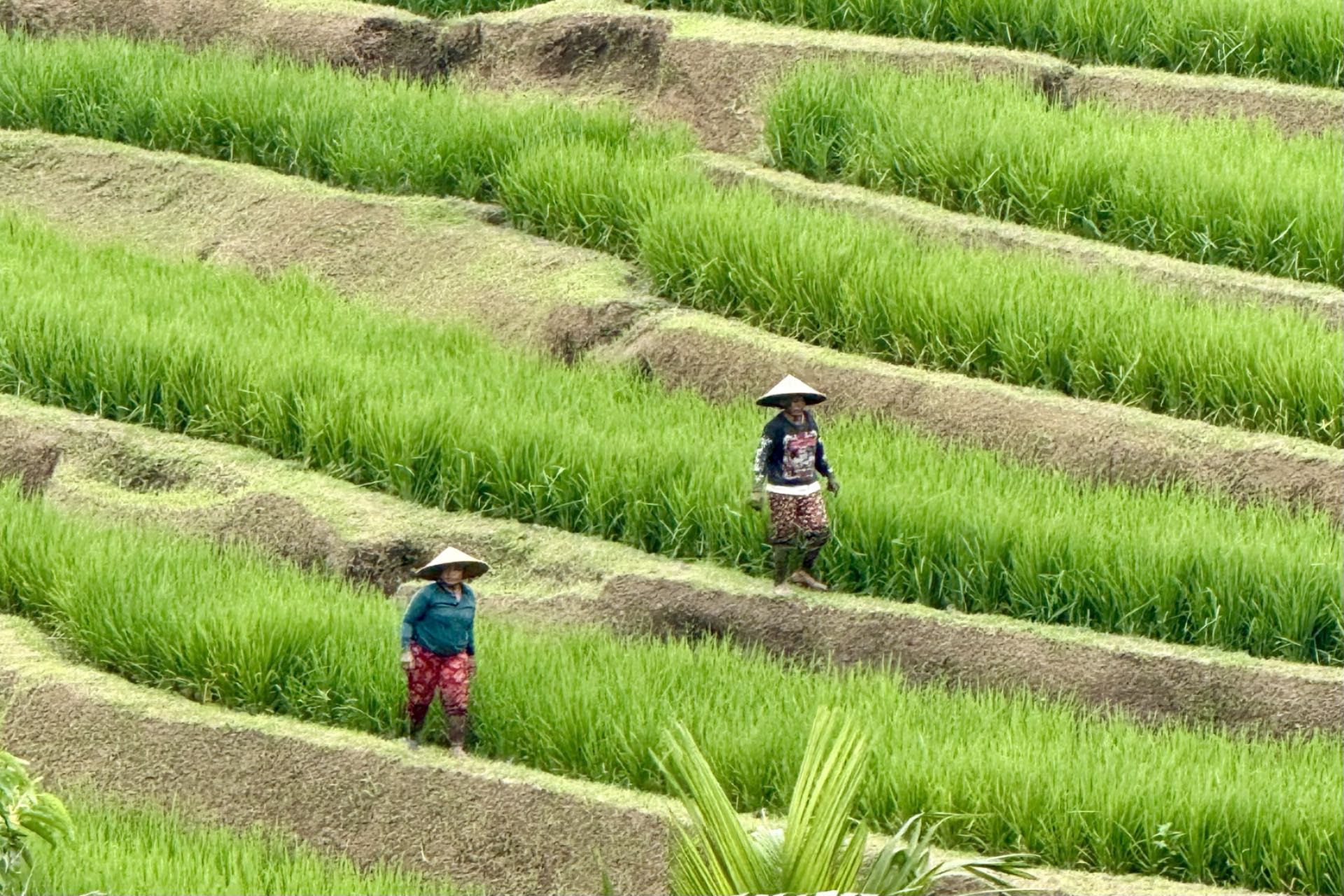
Jatiluwih Rice Terrace
Uluwatu Temple
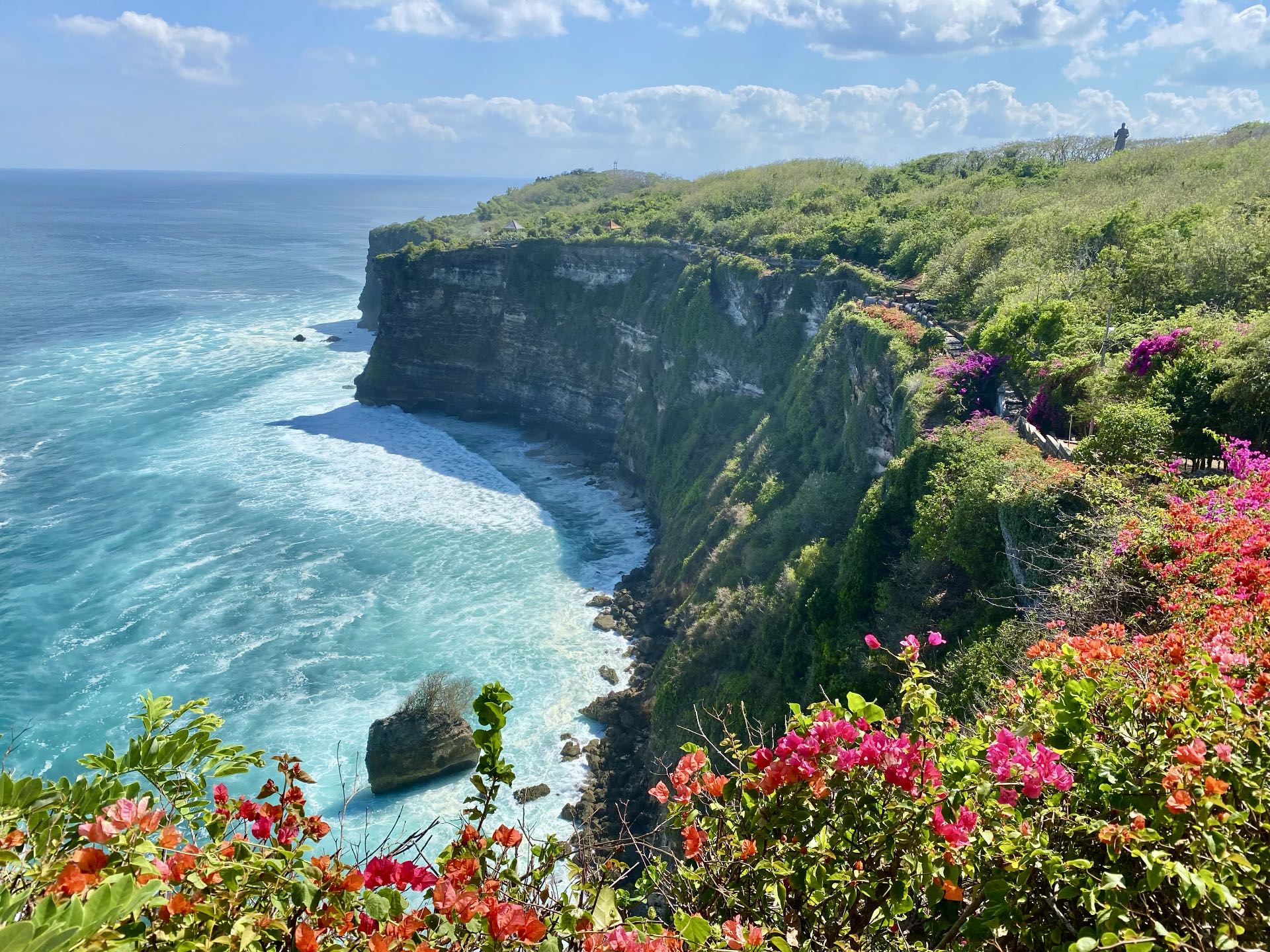
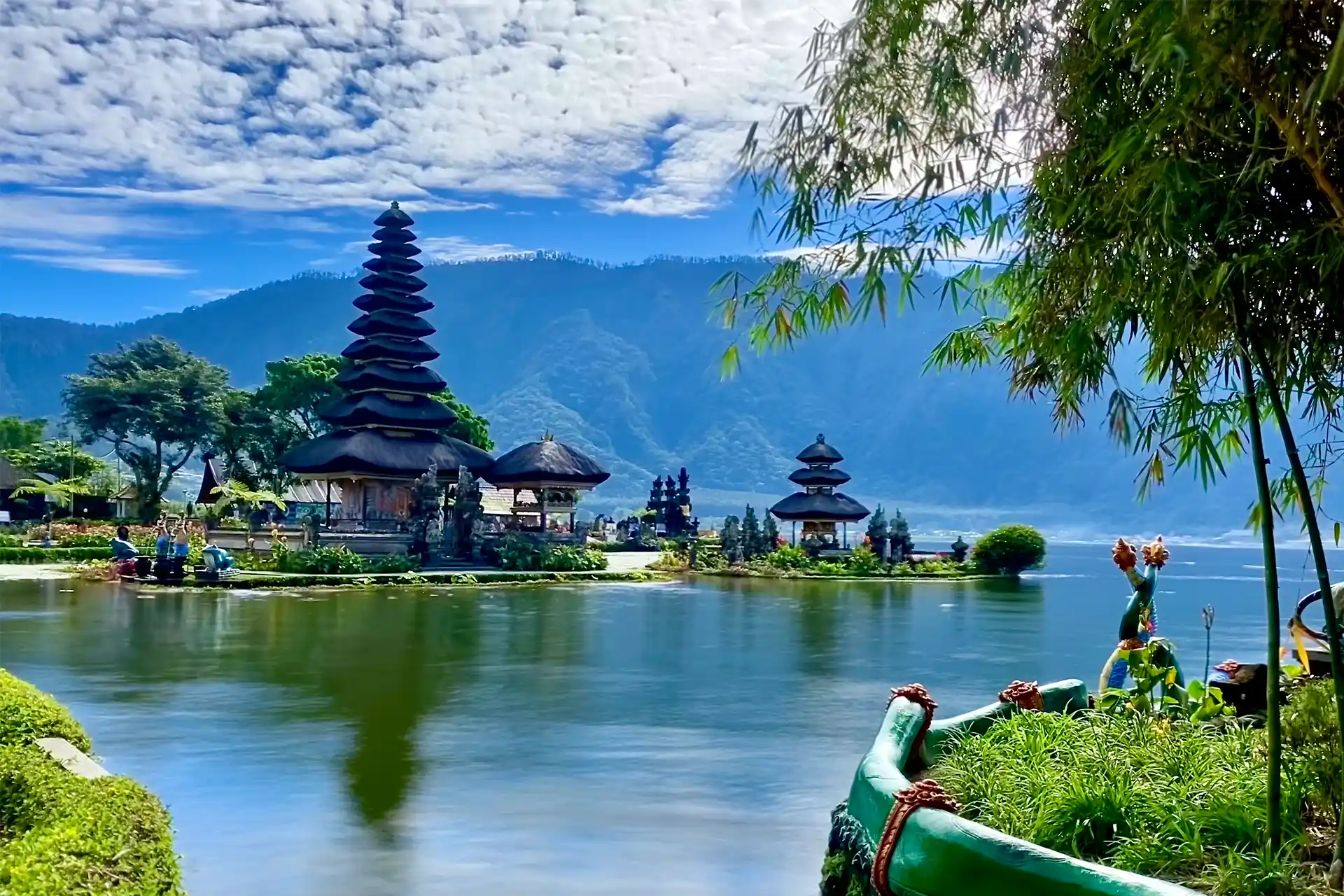
Ulundanu Beratan
Batur Volcano & Lake
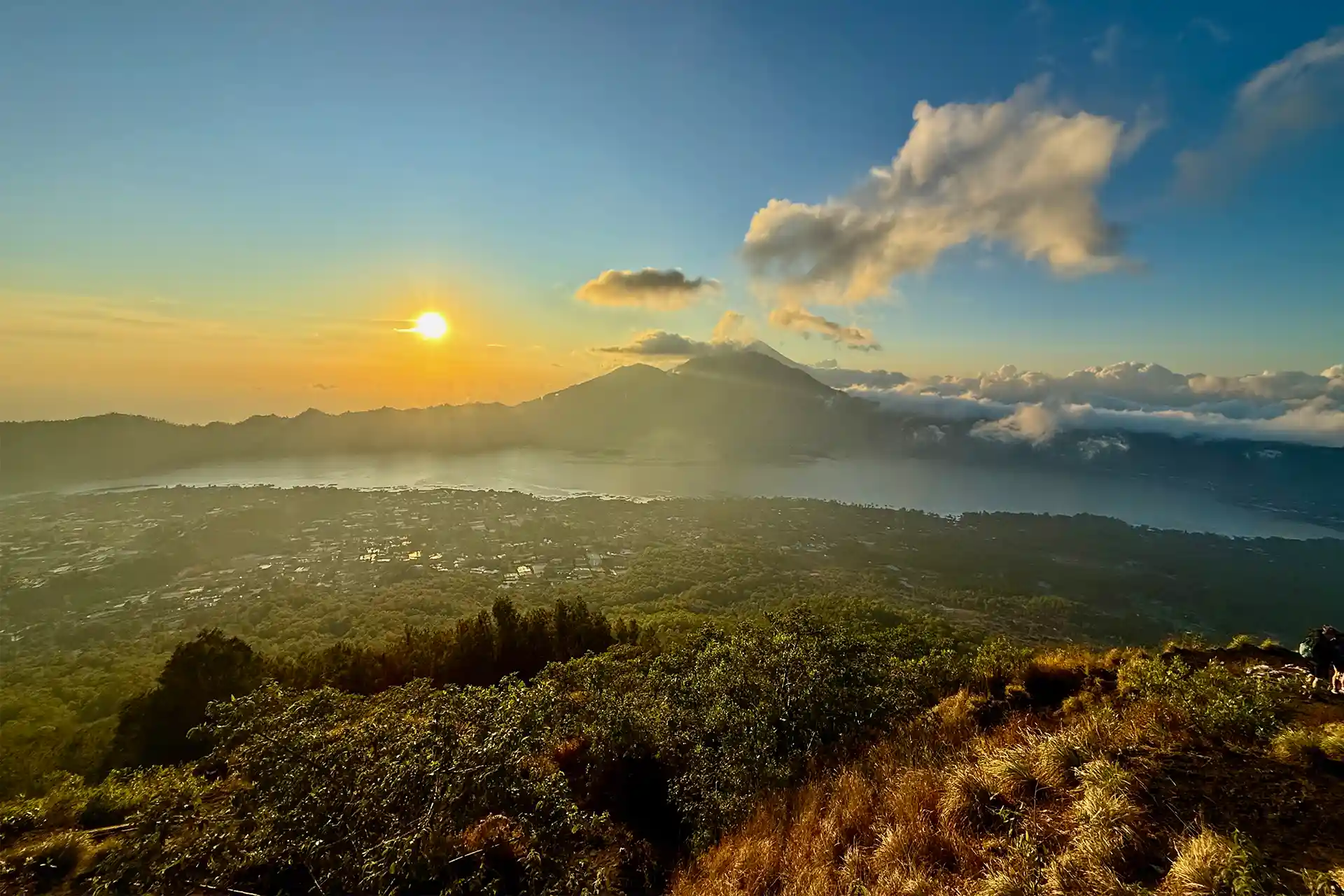
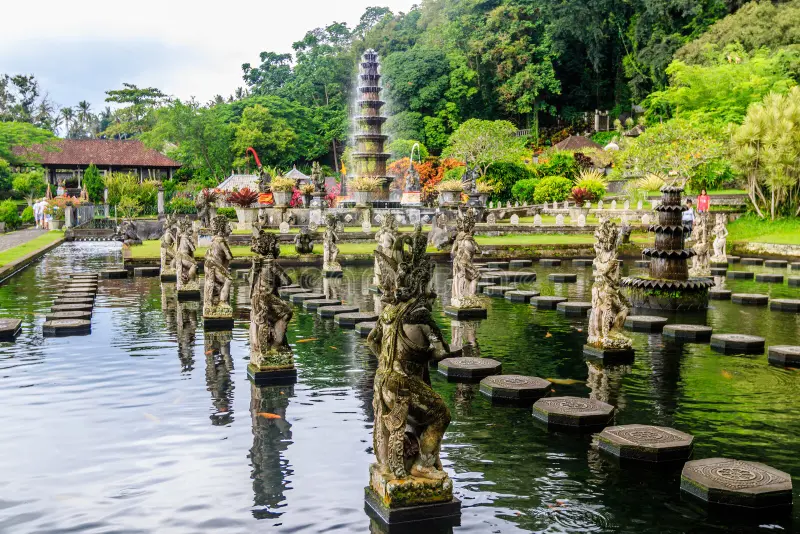
Tirta Gangga
Tegalalang Rice Terrace
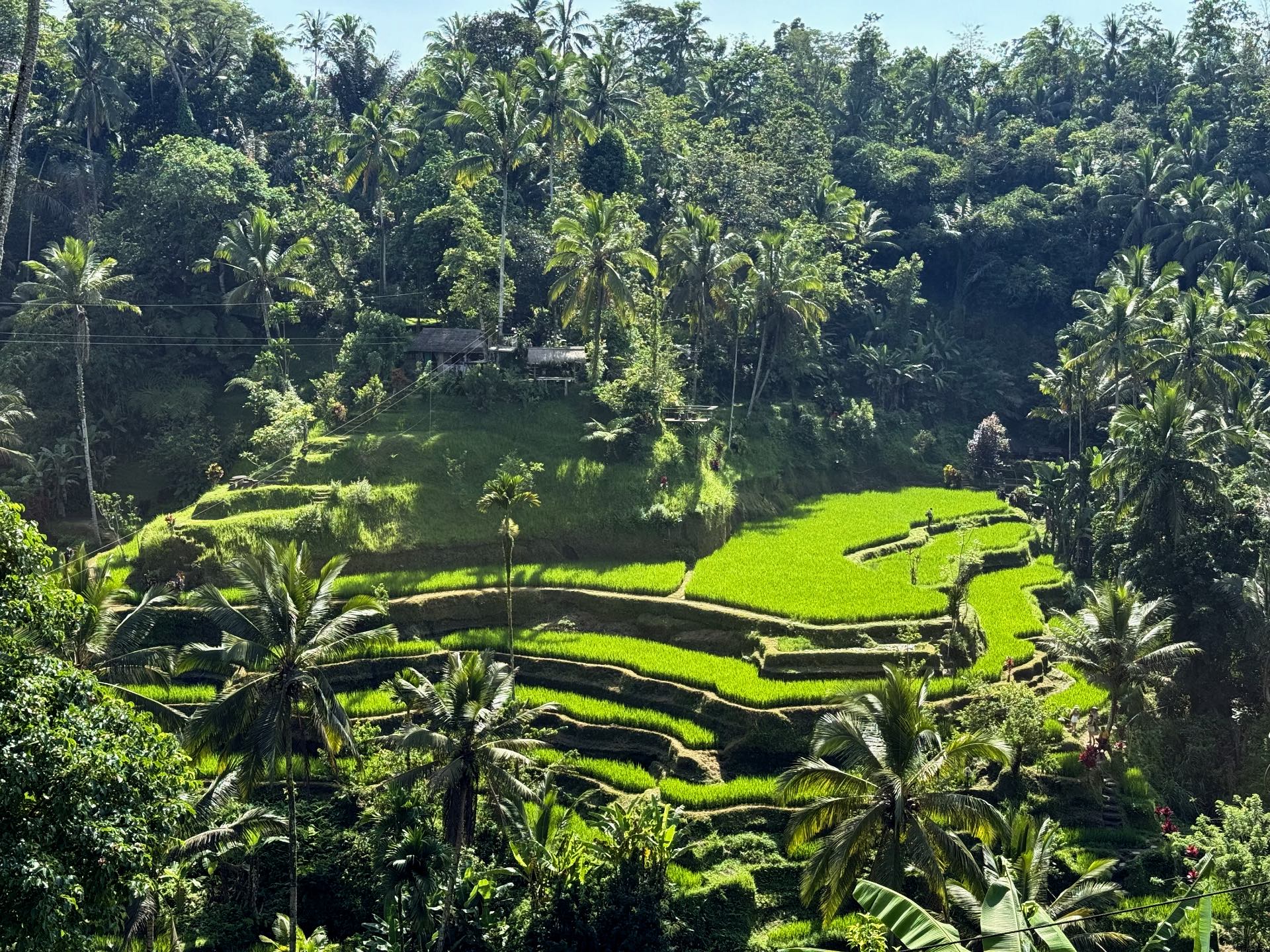
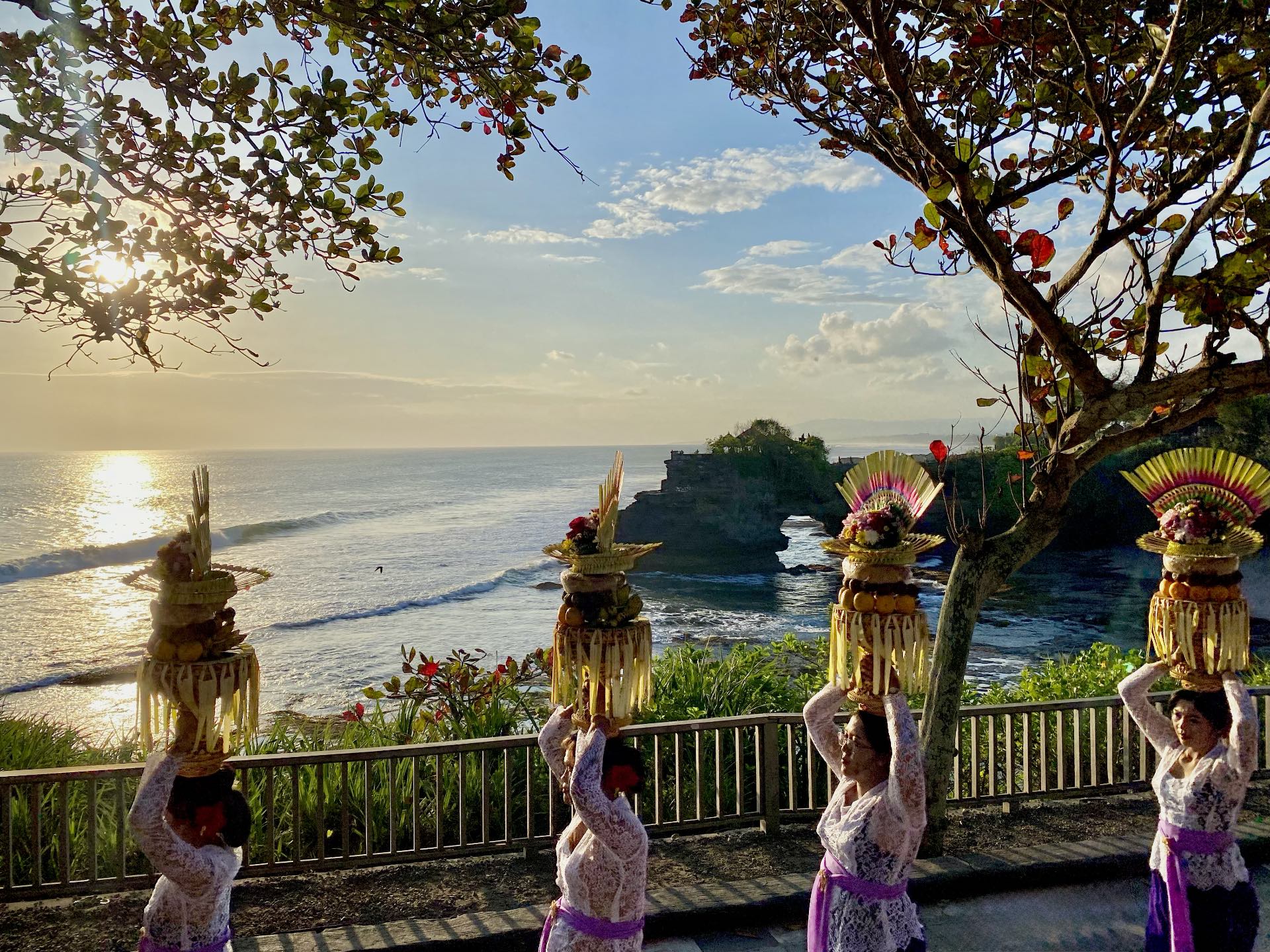
Tanah Lot Temple
Taman Ayun Temple
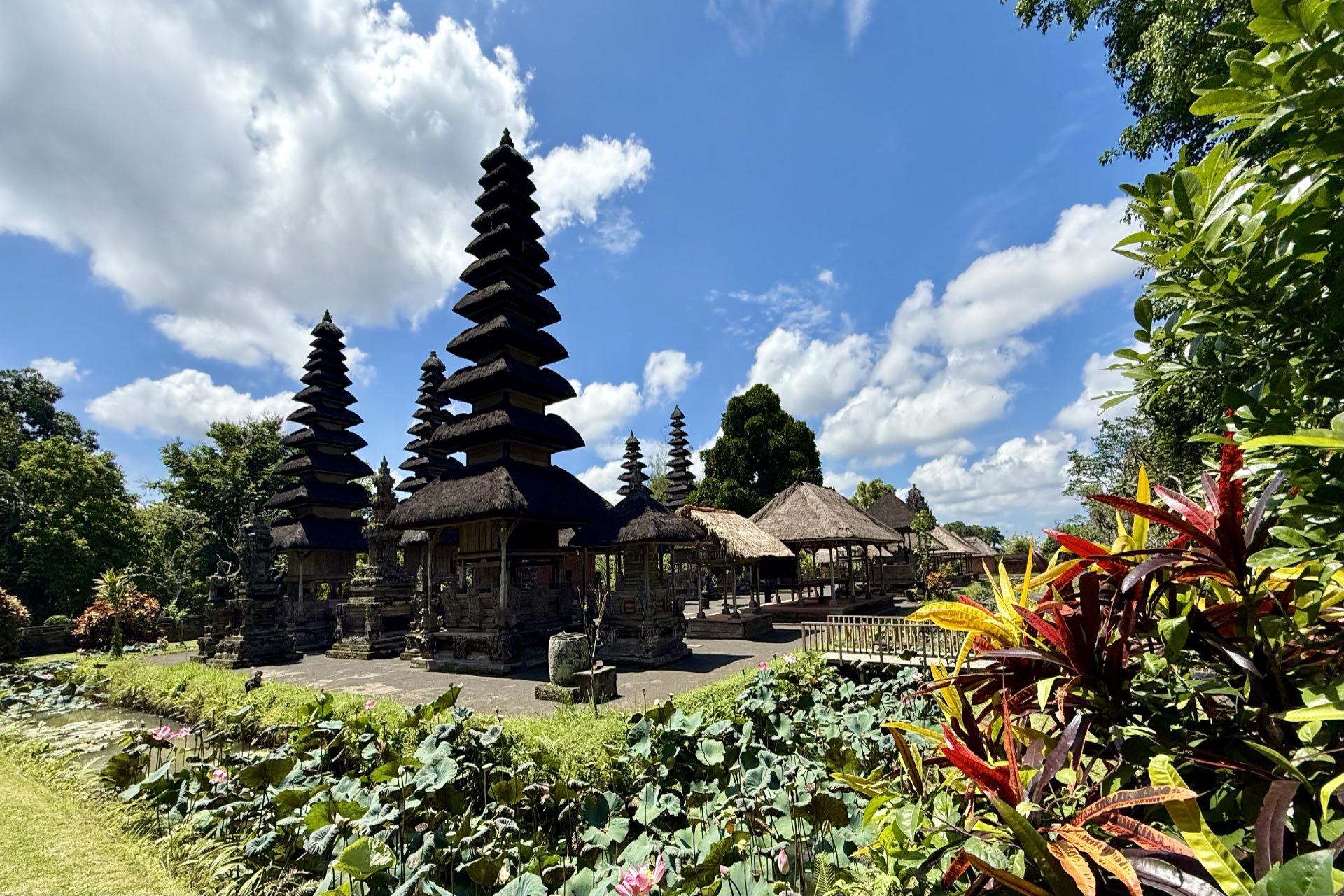
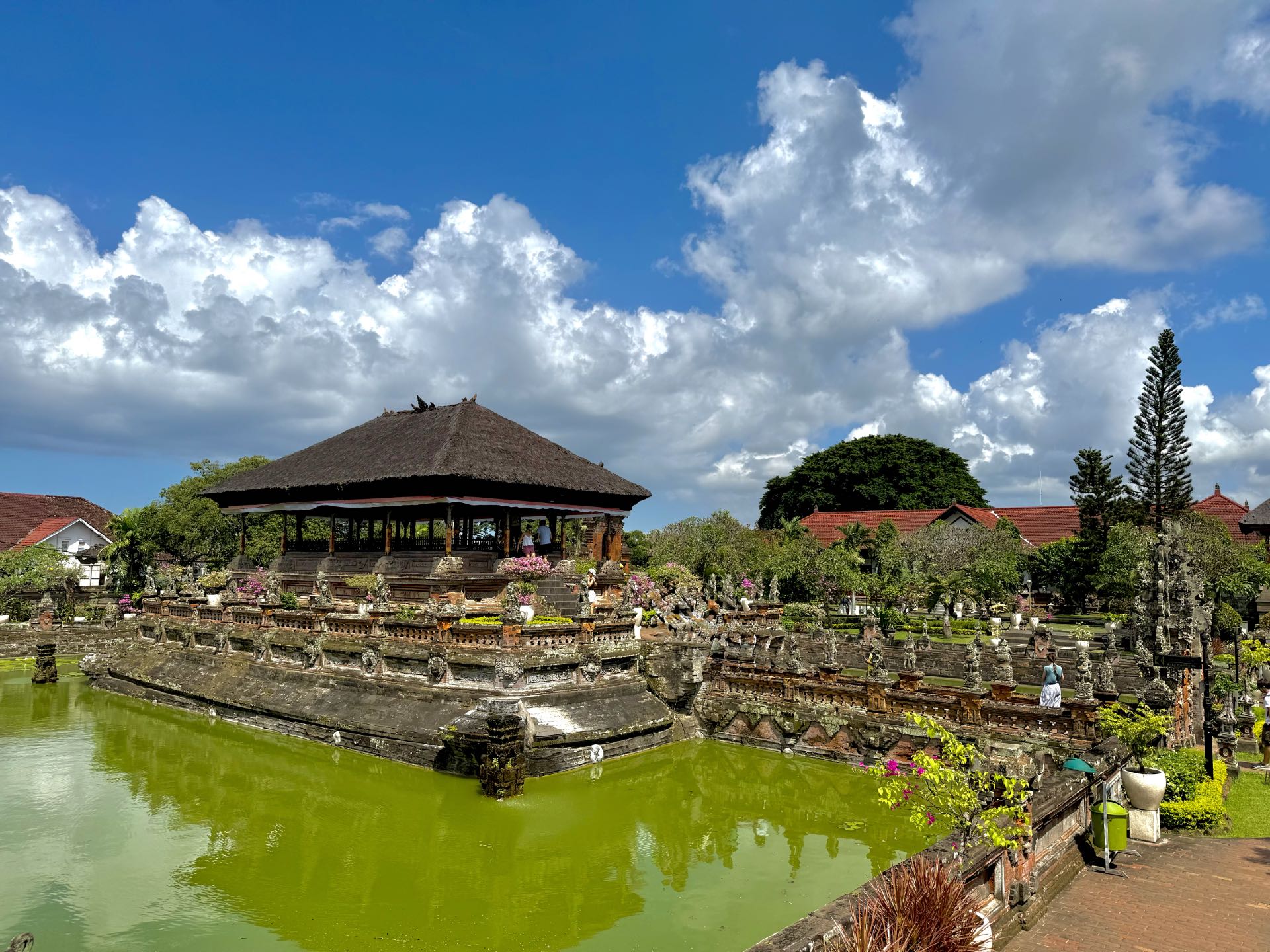
Kerta Gosa
Lempuyang Temple
Your Experience, Our Expertise
Ideal for: relaxed exploration, art & culture lovers